
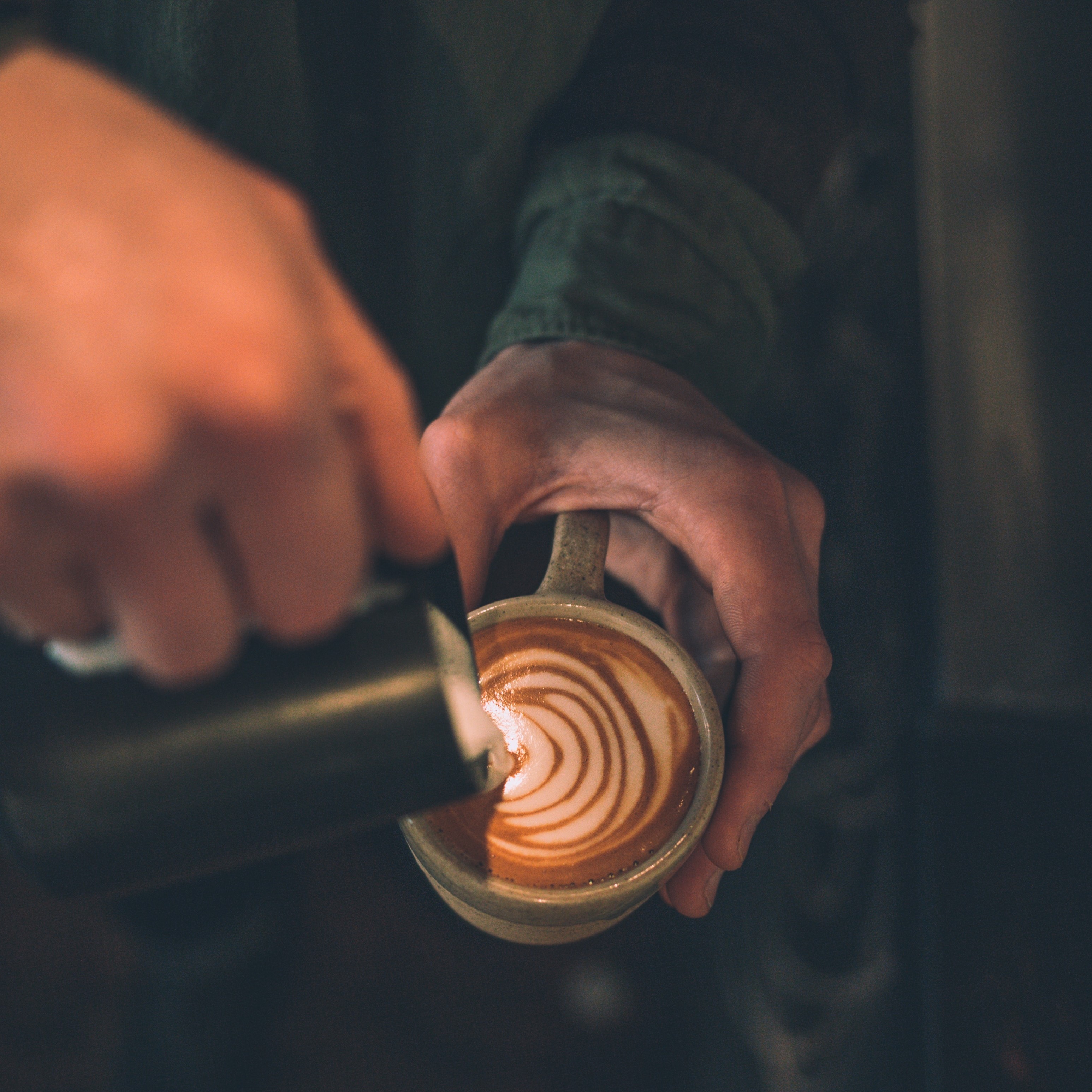
Unlocking the Secrets of the Perfect Coffee: Tips from a Pro Barista
Coffee, a beloved and essential part of many people’s daily routine, is more than just a morning pick-me-up. It’s an art, a science, and a source of joy for countless coffee enthusiasts around the world. If you’ve ever wondered what goes into crafting the perfect cup of coffee, you’re in for a treat. In this comprehensive guide, we’re diving deep into the world of coffee, and our expert barista is here to spill the beans on achieving coffee perfection.
The Art of Coffee Crafting
A perfect cup of coffee is more than just a beverage; it’s an experience. The journey to brewing the ideal coffee starts with understanding the key elements that make up this delightful concoction. Our expert barista, who has spent years honing the craft, is here to guide you through the process.
Choosing the Right Beans
It all begins with the beans. Coffee is made from the seeds of the Coffea plant, and the type of bean you choose has a significant impact on the flavor of your brew. There are hundreds of coffee varieties, each with its own unique characteristics. The choice between Arabica and Robusta beans, for example, can greatly influence your coffee’s taste.
Arabica Beans: Known for their delicate flavors, Arabica beans are often considered the gold standard in the coffee world. They offer a wide range of flavor profiles, from fruity and floral to nutty and chocolatey. If you’re looking for a well-balanced and nuanced coffee, Arabica beans are an excellent choice.
Robusta Beans: Robusta beans have a stronger, more robust flavor. They tend to be more bitter and less acidic than Arabica beans, making them ideal for those who prefer a bold and intense coffee. Robusta beans are often used in espresso blends for their crema-enhancing properties.
The Roasting Process
Once you’ve selected the right beans, it’s time to consider the roasting process. Roasting is where the magic happens, as the green coffee beans undergo a transformation in flavor, aroma, and color. Light, medium, and dark roasts each offer a distinct taste profile.
Light Roast: Light roasts are roasted for a shorter duration and at lower temperatures, preserving the bean’s natural flavors. These roasts often have bright acidity and subtle fruity notes.
Medium Roast: Medium roasts strike a balance between preserving the bean’s origin flavors and developing roast characteristics. They are characterized by a well-rounded flavor with a slightly fuller body.
Dark Roast: Dark roasts are roasted longer, leading to a darker color and a more pronounced roast flavor. They often have a bold and smoky taste with low acidity.
The Brewing Techniques
With your carefully selected beans and roast in hand, it’s time to explore brewing techniques. There are numerous ways to brew coffee, each with its own set of tools and methods. Here are a few popular methods:
Pour-Over: This method involves manually pouring hot water over ground coffee beans in a filter. It allows for precise control over brewing time and extraction, resulting in a clean and flavorful cup.
French Press: A French press uses a steeping method, where ground coffee is immersed in hot water before being separated by a metal or mesh plunger. It produces a rich and full-bodied brew.
Espresso: Espresso is a concentrated coffee brewed by forcing hot water through finely ground coffee under pressure. It forms the base for many coffee drinks like lattes, cappuccinos, and Americanos.
Tips from a Pro Barista
To truly unlock the secrets of the perfect coffee, it’s essential to learn from the experts. Our pro barista shares some valuable tips for elevating your coffee game:
- Use Fresh Beans: Always use fresh, recently roasted coffee beans. Coffee’s flavor deteriorates over time, so aim to consume beans within a few weeks of roasting.
- Invest in a Quality Grinder: Grind your coffee just before brewing. Investing in a good-quality burr grinder ensures consistency in particle size, which is crucial for a balanced extraction.
- Control Water Temperature: The ideal water temperature for brewing coffee is between 195°F to 205°F (90°C to 96°C). Use a kettle with a thermometer to achieve precision.
- Measure Carefully: Use a kitchen scale to measure both coffee grounds and water. The right coffee-to-water ratio is essential for a well-balanced brew.
- Practice Patience: Allow your coffee to bloom. When you pour a small amount of hot water over the grounds, watch as they release gases, a sign of freshness. After the bloom, continue pouring.
- Experiment and Explore: Don’t be afraid to try new beans, roasts, and brewing methods. Coffee is a vast world with endless possibilities for exploration.
Join the Journey to a Perfect Brew
In conclusion, crafting the perfect cup of coffee is a delightful journey filled with aroma, flavor, and discovery. From choosing the right beans to mastering the art of brewing, there’s a world of coffee waiting for you to explore. So, whether you’re a seasoned coffee aficionado or just beginning your coffee adventure, remember that the perfect cup is within reach. Join us on this journey to brew perfection, one cup at a time. ☕✨ #CoffeeWisdom #BaristaTips #CoffeeLover #BrewingExcellence #CoffeeMagic #DianasCoffee


Leave a Reply